
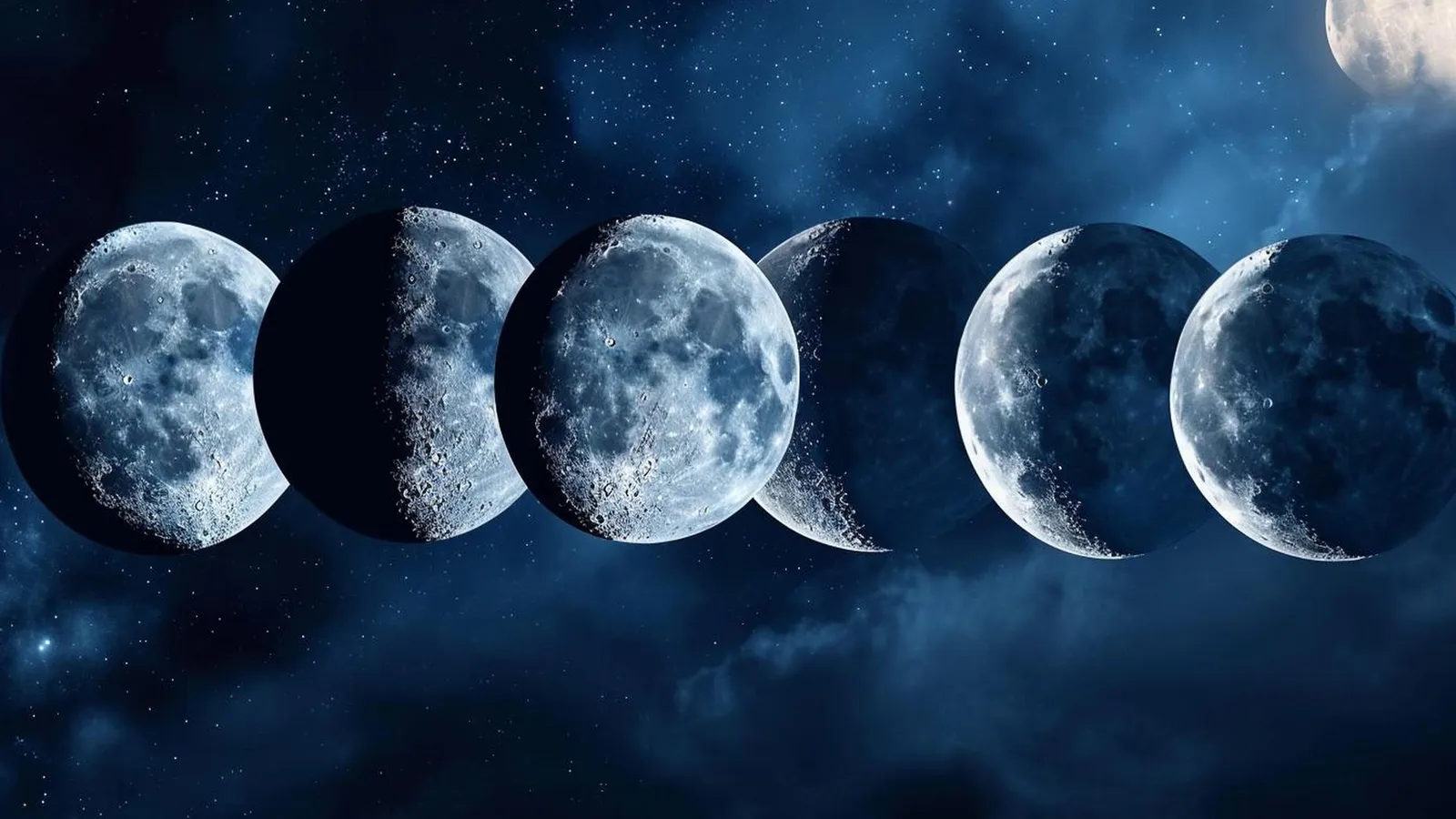
A progressed moon shows where your emotional center has moved since birth, calculated by advancing your chart one day for every year you have lived. As of October 16, 2026, this method, called secondary progression, traces that lunar position through all twelve signs over roughly twenty-seven to twenty-eight years. Checking it tells you which emotional chapter you are in now, not what today’s sky is doing.
How Does a Progressed Chart Reading Work?
A progressed chart reading advances your birth chart using secondary progression, the standard technique for this purpose. Secondary progression treats one day after birth as equal to one year of life, so day thirty maps to your thirtieth birthday. Most planets barely move under this method.
The sun creeps less than one degree a year in progression. The moon, by contrast, covers roughly one degree a month, since its real motion in the sky is so fast. That steady pace is what makes it the most responsive point in any progressed chart reading.
A solar return reading tracks a different yearly cycle, the sun’s return to its birth degree. It works alongside progressions rather than replacing them.
What Does Your Progressed Moon Mean Right Now?
Your progressed moon describes the emotional climate you are living in, not a single event on a single day. Because it moves about one degree each month, it rests in one sign for roughly two and a half years. A sign change often lines up with a shift in mood, home life, or what suddenly feels necessary.
If it recently moved from a fire sign into an earth sign, you may notice a pull toward practical matters, the second house of money and worth, or the sixth house of daily routines. This is a weather pattern, not a forecast of events. It describes tone, not outcome.
How Long Does Each Lunation Phase Last?
A lunation is the stretch from new moon to new moon. In progression, this cycle unfolds across roughly twenty-seven to twenty-eight years instead of one month, since secondary progression maps the moon’s actual orbital period directly onto years lived. Astrologers divide that long arc into eight phases, each lasting around three to three and a half years.
The table below lists those phases in order, along with the houses, the twelve divisions of life experience in a chart, that each one often touches.
| Phase | Approximate length | Common life focus | Houses often activated |
|---|---|---|---|
| New phase | about 3 to 3.5 years | fresh starts, new identity | 1st, 10th |
| Crescent phase | about 3 to 3.5 years | early effort, testing ground | 2nd, 6th |
| First quarter | about 3 to 3.5 years | decisions, friction with old patterns | 4th, 7th |
| Gibbous phase | about 3 to 3.5 years | refinement, preparation | 6th, 8th |
| Full phase | about 3 to 3.5 years | culmination, visibility | 7th, 10th |
| Disseminating phase | about 3 to 3.5 years | sharing what was built | 8th, 9th |
| Last quarter | about 3 to 3.5 years | release, letting structures go | 4th, 10th |
| Balsamic phase | about 3 to 3.5 years | rest, quiet preparation | 2nd, 12th |
Eight phases, each roughly three and a half years, complete the full cycle. Anyone past fifty has likely lived through it nearly twice.
When Does This Lunar Position Change Signs?
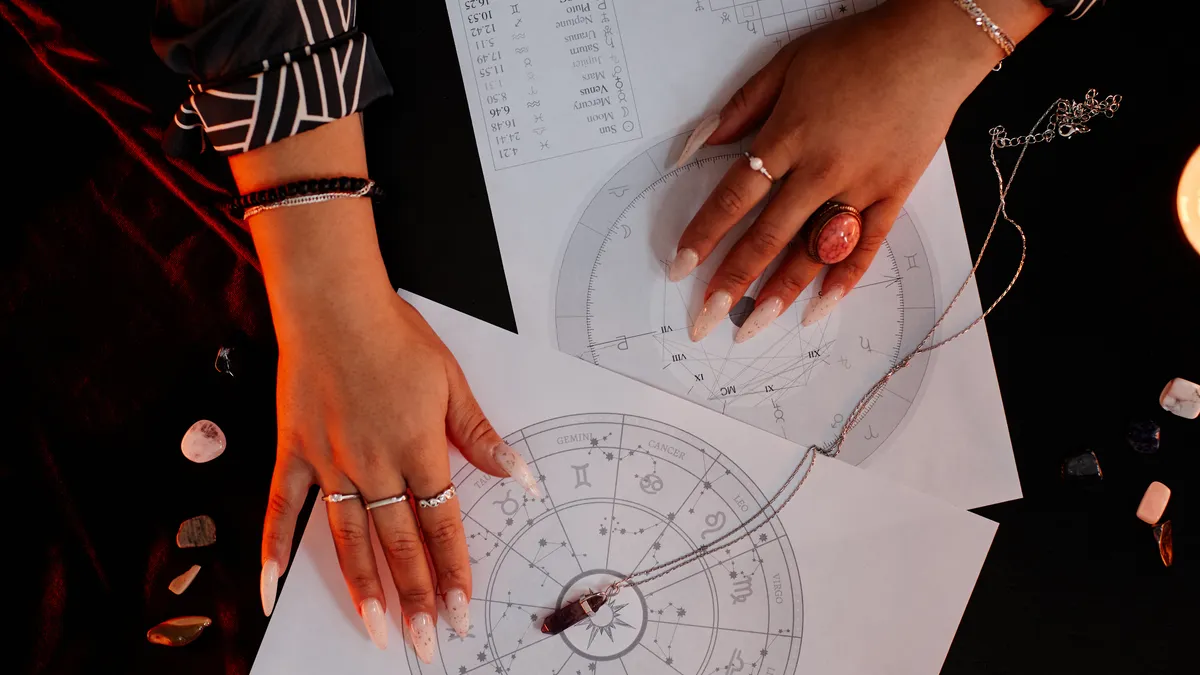
The exact date this point enters a new sign depends entirely on birth time and location. There is no single calendar date that fits everyone, which is why a personal chart is required rather than a general calendar. An ephemeris, a table of planetary positions by date, is the tool used to calculate it.
The ephemeris tables at astro.com allow a lookup of both a natal chart and a progressed chart for any date, including October 16, 2026, or the current reference year 2027. Transits, the real-time movement of planets overhead, are a separate layer worth distinguishing from progressions. In 2027, a New Moon in Capricorn falls on January 8, and a matching New Moon in Capricorn returns on December 28, with the sky cycling through every sign in between.
Why Does This Matter More in the Second Act?
By midlife, most people have already lived through at least one full lunation cycle in their progressed chart. Saturn, the planet of structure and consequence, runs its own slower rhythm on top of this lunar pace. When Saturn squares your natal Saturn, which happens around ages twenty-one to twenty-two, thirty-six to thirty-seven, and again around fifty-one to fifty-two, old emotional structures get tested.
Those square years sometimes coincide with a shift in lunation phase, which can make the pressure feel doubled. A second Saturn return, covered in this piece on what happens after age fifty-seven, often lands near a balsamic or new phase of this cycle. The overlap is a pattern worth noticing, not a promise of how things resolve.
Should You Track Transits or Progressions First?
Transits answer what is happening this week or month. Progressions answer what chapter of life is underway. Neither replaces the other, and a fuller progressed chart reading usually looks at both alongside slower outer planet cycles.
The short version: watch transiting retrogrades and eclipses for the timing of events, and watch this lunar position for the emotional undertone beneath them. Mercury retrograde from February 10 to March 4, 2027, for instance, tends to feel different depending on which lunation phase a person is living through at the time.
Margaret Ash writes about chart timing for people rebuilding after fifty, working from progressions, returns, and the outer planets rather than daily forecasts. The home page lists the full range of written readings available on this subject.
Those drawn to this kind of timing work often start with a Second Act Reading.